
EES: the European Union’s new Entry/Exit System

Digital, modern, effective

With the European Union’s Smart Borders program, border control procedures are becoming increasingly automated.
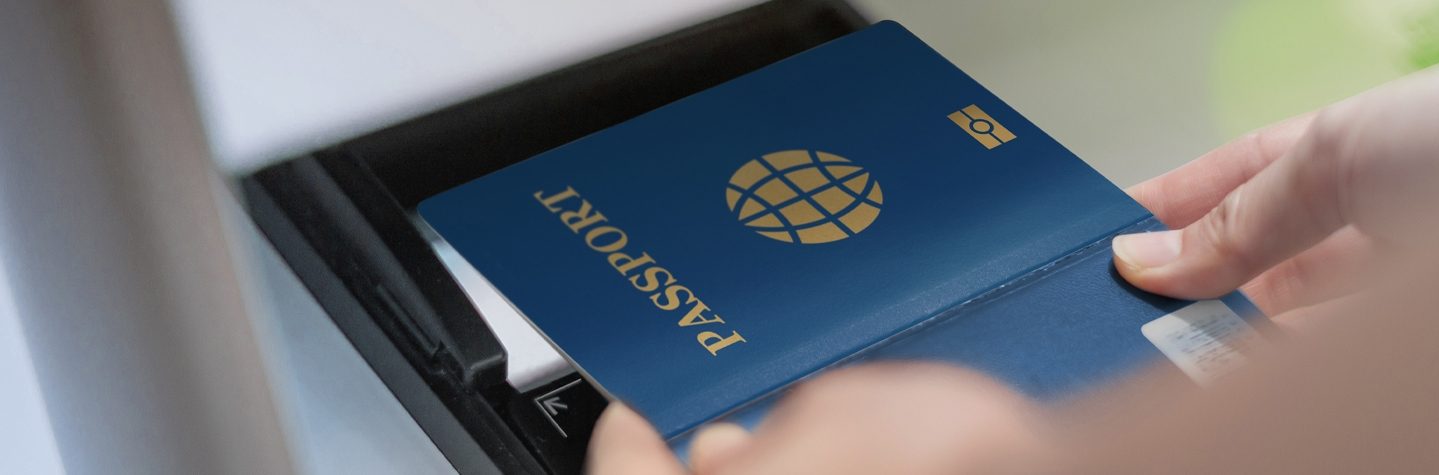
Automated collection of entry and exit data

The new Entry/Exit System (EES) is a central element in making border controls smarter and more digital. It concerns all third-country nationals* who spend a short stay of up to 90 days within a period of 180 days in the Schengen Area. 

What is the Entry/Exit System (EES)?

The so-called Entry/Exit System (EES) is an automated IT system that registers the entries and exits of individuals from non-Schengen countries at the external borders of the Schengen Area. The use of the fully automated Entry/Exit System saves time of manual passport stamping and simplify the border control process. 

Another advantage: travelers can check the remaining duration of their approved stay online.

More information about the Entry/Exit System (EES) is also available on the European Union’s website.

Who does the EES apply to?

The Entry/Exit System (EES) essentially affects all third-country nationals* who are either visa exempt or who require a visa and who stay in the Schengen Area for a short visit of a maximum of 90 days within a 180-day period. Cyprus and Ireland are not part of the EES. The Schengen Agreement regulates the travel of individuals within the Schengen Area without border controls.

*Third-country nationals: travelers who do not hold the nationality of Switzerland, of a country in the European Union or the nationality of Iceland, Liechtenstein or Norway.


How the Entry/Exit System’s registration process works

Travelers with a biometric passport scan their data themselves at a self-service system. A machine-readable biometric identity document is a prerequisite.

These self-service systems capture biometric data (facial images and fingerprints) together with the traveler’s name, passport details and their place of entry into and exit from the Schengen Area.

The route to the actual border control is signposted. The recorded data will be checked there. If there are no reasons for refusal, border control allows travelers to enter/exit. This, in turn, is stored in the EES.

Important information for entering and exiting airports in the Schengen Area

Important: entry always takes place at the first airport in the Schengen Area, even if the travel route includes another subsequent internal European flight. Exit always takes place at the last airport in the Schengen Area.

  • Travelers without a biometric passport must proceed directly to a border control counter.
  • Travel documents should be kept ready immediately after landing. Third-country nationals without a residence permit can save time by using the self-service systems for data collection. Ideally, the passport should not be in a passport holder.
  • The routes to passport control are signposted. The respective border control counters are clearly identified.
  • It is recommended that citizens of Switzerland, the EU or the European Economic Area (EEA) as well as holders of a residence permit for the EU, Switzerland or the EEA, use the eGates.
  • Long-visa holders should proceed directly to a border control counter.

European countries that use the Entry/Exit System

The following European countries are already using the EES:

Austria, Belgium, Bulgaria, Croatia, Czechia, Denmark, Estonia, Finland, France, Germany, Greece, Hungary, Iceland, Italy, Latvia, Liechtenstein, Lithuania, Luxembourg, Malta, Netherlands, Norway, Poland, Portugal, Romania, Slovakia, Slovenia, Spain, Sweden and Switzerland.

Important: there is, as yet, no EES in Cyprus and Ireland. Travelers’ passports are still being manually stamped.

Smart Borders Program from 2026 – ETIAS

In addition to the Entry/Exit System (EES), ETIAS will also soon be established. ETIAS stands for the European Travel Information and Authorisation System. From the end of 2026, visa-exempt non-EU nationals (e.g. from the USA, Canada, Australia, Japan) must apply for an ETIAS authorisation – a new electronic travel authorisation – before entering the European Schengen Area. Currently, travelers do not need to take any action. Details will be published closer to the start date.

Further information can already be found on the European Union’s website.

Frequently asked questions about entry regulations

Citizens of Switzerland, the EU or the European Economic Area (EEA) and their family members, and third-country nationals who hold a valid residence permit or a valid residence card.

The following information will be recorded in an EES personal file:

  • Last name, first name, date of birth, nationality and gender
  • Passport number, issuing country, and expiration date
  • Facial image
  • Fingerprints of four fingers (except the thumb)
  • Children under 12 years old do not have to register their fingerprints

No. ETIAS is similar to the US ESTA and enables Europe to have more efficient control over who travels to the EU and applies for entry. It is a visa-waiver system for Europe that allows eligible citizens to obtain the appropriate travel authorisation for Europe by filling out a simple online form. ETIAS will become operational in the last quarter of 2026.

Passengers should ensure that they have all the necessary travel documents with them, including a valid biometric passport, and inform themselves about the current entry requirements.

  • If you need a visa to travel to the European countries that use the EES, the system will only store your facial photo (since your fingerprints will already have been registered in the Visa Information System/VIS at the time of your visa application).
  • If you do not need a visa to travel to the European countries that use the EES, the system will store a combination of four of your fingerprints and the photograph of your face.

*Third-country nationals: travelers who do not hold the nationality of a country in the European Union or the nationality of Iceland, Liechtenstein, Norway, or Switzerland.